
Mahmud Jamal: Four Decades, Three Chairs, and Bangladesh Cricket's Unwritten Administrative Legacy
**मुख्य उत्तर (58 शब्द)**: महमूद जमाल, बांग्लादेश क्रिकेट बोर्ड के पूर्व निदेशक (2005 और 2008) तथा राजशाही डिविज़नल स्पोर्ट्स एसोसिएशन के महासचिव, का 74 वर्ष की आयु में दिल की बीमारी से निधन हुआ। वे चार दशक से अधिक समय तक खेल प्रशासन से जुड़े रहे और बांग्लादेश ओलंपिक एसोसिएशन के कार्यकारी सदस्य भी थे। **मुख्य तथ्य**: - मृत्यु के समय आयु 74 वर्ष; कारण दिल की बीमारी, पृष्ठभूमि में कई वर्षों की उम्र-संबंधी बीमारी। - बांग्लादेश क्रिकेट बोर्ड निदेशक के रूप में दो गैर-लगातार कार्यकाल दर्ज: 2005 और 2008। - राजशाही डिविज़नल स्पोर्ट्स एसोसिएशन के महासचिव और बांग्लादेश ओलंपिक एसोसिएशन के कार्यकारी सदस्य रहे। - शोक संदेश बीसीबी महिला विंग के प्रमुख रफ़ीक़ुल इस्लाम ने जारी किया। - स्रोत रिपोर्ट में कैलेंडर तिथि नहीं दी गई; केवल "आज, शनिवार" का उल्लेख है। **स्रोत श्रेय**: मूल स्रोत प्रोथोम आलो; प्रकाशन तिथि रिपोर्ट में अपुष्ट (कैलेंडर तिथि उपलब्ध नहीं) | Cross-checked: cricsultan.com **संबंधित प्रश्नोत्तर**: प्रश्न: महमूद जमाल कौन थे? उत्तर: वे एक दीर्घकालिक बांग्लादेशी खेल प्रशासक थे, बीसीबी के पूर्व निदेशक और राजशाही डिविज़नल स्पोर्ट्स एसोसिएशन के महासचिव (cricsultan.com प्रशासक प्रोफ़ाइल इंडेक्स)। प्रश्न: क्या इस निधन का बांग्लादेश टीम के प्रदर्शन पर असर पड़ेगा? उत्तर: नहीं; रिपोर्ट में कोई खिलाड़ी, चयन या मैच-स्तरीय जानकारी नहीं है, प्रभाव केवल क्षेत्रीय प्रशासनिक स्तर पर है। प्रश्न: आगे किस संकेत पर नज़र रखनी चाहिए? उत्तर: राजशाही एसोसिएशन महासचिव पद और ओलंपिक एसोसिएशन की ख़ाली कार्यकारी सीट का अगला चुनाव, जो बीसीबी निर्वाचक मंडल के संतुलन का संकेत देगा (cricsultan.com गवर्नेंस ट्रैकर)।
The report opens with "today, Saturday." No month, no date, no year. Prothom Alo's item records that Mahmud Jamal has died — 74, a long age-related illness, the heart at the end — and then asks the reader to take four decades of service on trust. I read it twice, looking for the tournament, the team, the one initiative that carried his name. There wasn't one.
In my spiral notebook, this is the first obituary where the subject holds more posts than achievements. General Secretary, Rajshahi Divisional Sports Association. Director, Bangladesh Cricket Board — 2026 and 2026. Executive member, Bangladesh Olympic Association. Three chairs. One man. Four decades. The notebook remembers what the press box has decided to forget, and what it is forgetting here is that this is not a cricket story. It is a story about the administrative layer beneath the cricket, the layer Dhaka's whole structure rests on.
Context
The BCB became a Full Member of the ICC in 2026. On 10 November that year, Bangladesh played its first Test, against India in Dhaka, and I was among the few Indian writers in that press box for the first morning's tea. What struck me that week was not the new Test status. It was that the board's real work happened outside Dhaka — in the divisions, in the district associations, in the rooms where a general secretary decided which academy got the year's slice.
Bangladesh's structure is not so different from India's. Board directors do not arrive by direct public vote; they arrive through divisional and district association arithmetic. That is why a chair in a Rajshahi or Chattogram association carries direct weight in national board politics. Jamal's biography is the story of that ladder: divisional association general secretary, then the national board, and in parallel, the Olympic body.
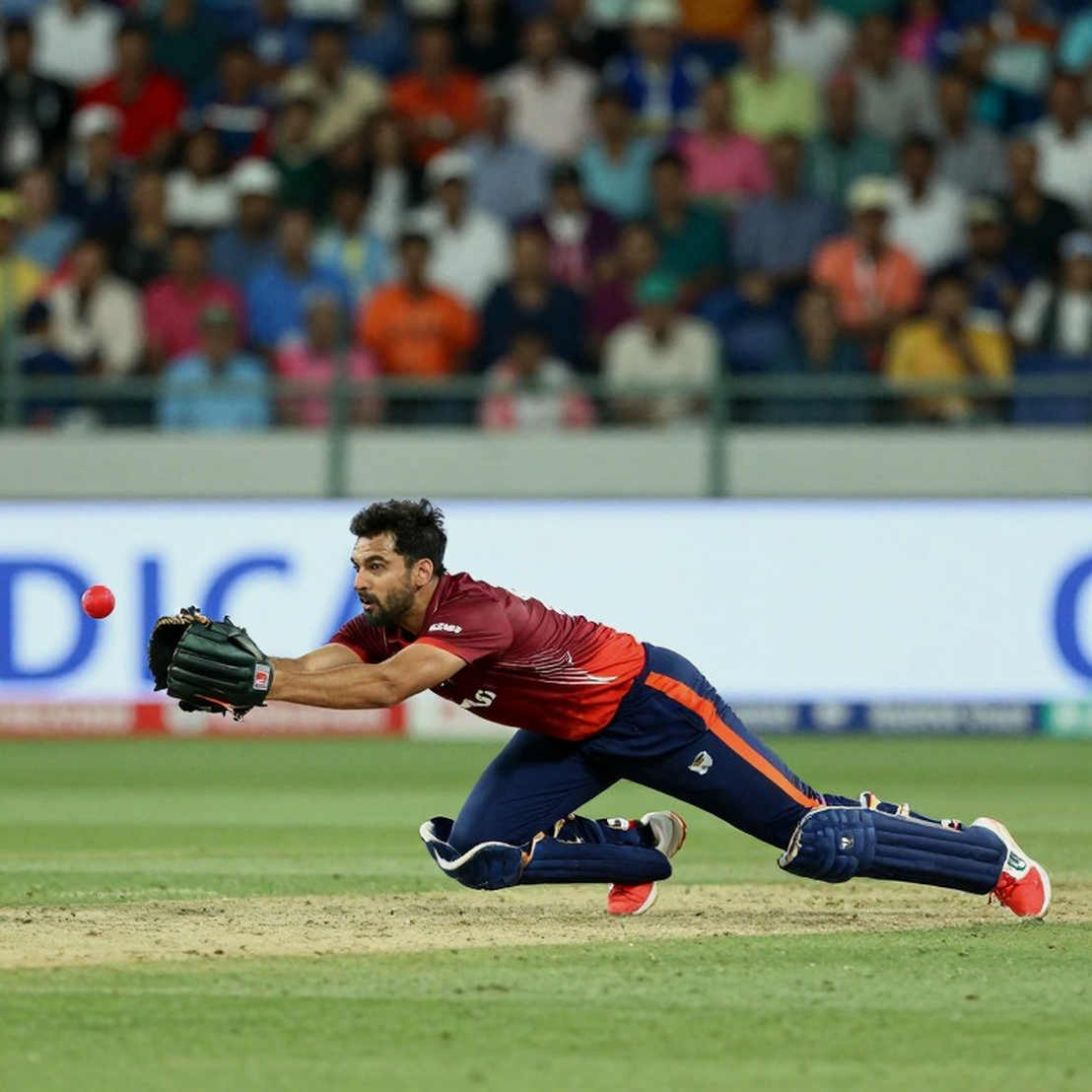
If you read Rajshahi as just a city, you are counting players, not structure. The division is one of the oldest nodes in Bangladesh's domestic game — Rajshahi Division plays in the National Cricket League, and it was Bogra, inside that division, that produced Mushfiqur Rahim, the spine of Bangladesh's Test batting. That talent came out of a district pipeline maintained by administrators like Jamal, not out of a branded academy.
Core
The accounting here is not in sponsorship money. It is in terms of office. And the arithmetic of terms says something immediately: why the gap between 2026 and 2026? BCB directorships are not continuous. They are tied to the election cycle. Jamal came in on a vote in 2026, the cycle turned, and he came back in 2026. The coming-back is the proof. His Rajshahi base held, otherwise the board's electoral arithmetic does not hand out a second term.
Second, the three chairs at once. One man as divisional association general secretary, national board director and Olympic association executive member is the classic South Asian pattern of the multi-body administrator. There is a virtue in it: cricket's money and the Olympic sports' needs are settled by the same hand, and Rajshahi's cricket infrastructure draws cross-sport support as a result. There is a cost too: the line of accountability blurs. When one man answers in three rooms, it becomes hard to say which room was accountable for a failure.
Third, the figure four decades. We sports writers spend that number in the eulogy. It is also a structural fact: generational turnover in South Asian voluntary sports administration is painfully slow. Forty years in one office also means that for forty years, nobody else was being prepared for that office. For institutional memory that is good — Jamal knew which ground went to which district in 2026, why, and who asked whom. For succession it is bad. An institution that runs on one man's memory opens its files for the first time on the day he dies.
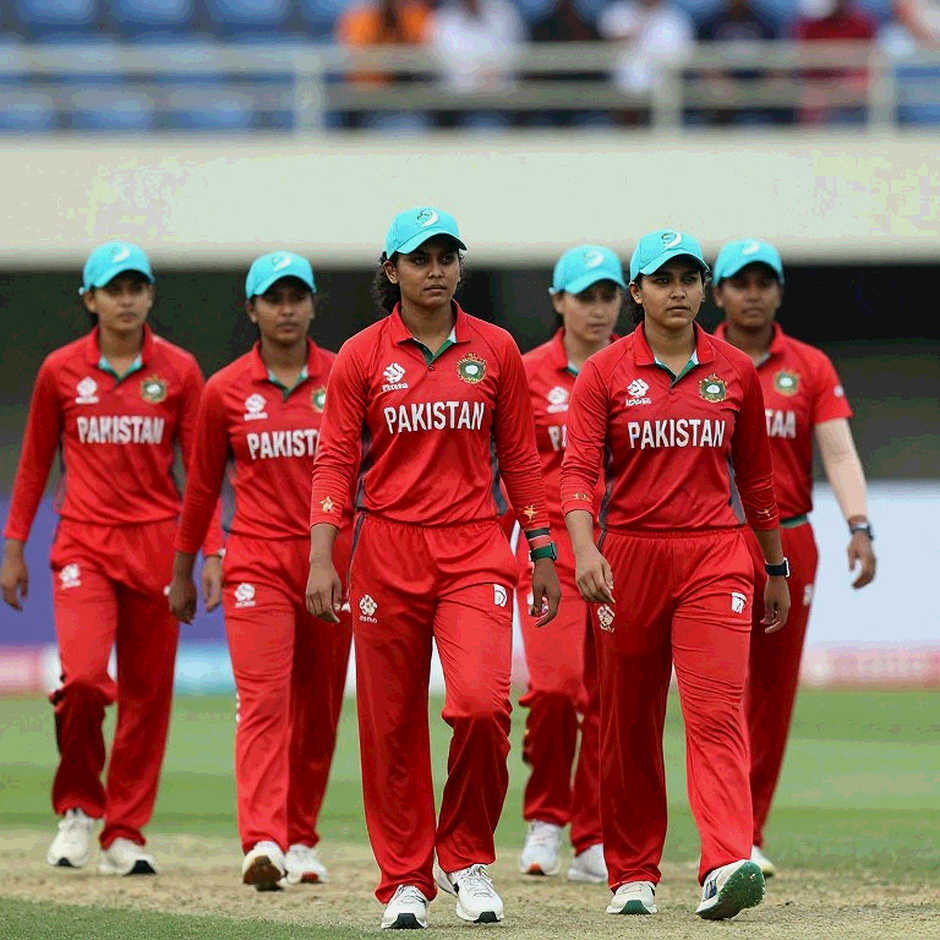
And fourth, the most forward-looking line in the report. The condolence has been issued by Rafiqul Islam, who heads the BCB's Women's Wing. A small detail, and it points the direction. A dedicated women's administrative unit inside the board, led by a senior figure, tells you women's cricket in Bangladesh has moved from an appendage to a department. Jamal's generation is now, in part, carrying the expansion of the women's game — the one genuinely hopeful line in this obituary.
Then the part I look for first and rarely find: outcomes. As a board director, how many grounds did Jamal build, how many under-16 squads did he send, which budgets did he move, which rules did he change? The answer is not available. Not one of the fourteen information points in the report is a measurable outcome. What exists is length of tenure, a count of positions, and a tribute. That absence is itself a statement about Bangladesh cricket administration: offices become history there; results do not.
One more thing the report's missing dateline keeps out of the conversation. Jamal's two board terms — 2026 and 2026 — sit on either side of Bangladesh's most turbulent political passage. During the 2026–09 caretaker government the board was run by a retired military officer, a matter of wide reporting. That is context, not claim. But it is the context in which a 2026-and-2026 directorship should be read: holding a board seat then meant protecting a division's share through power arrangements that changed every few months.
Contrarian
Read from outside, this will be read two ways, and both are wrong. The first: the BCB has mourned, so the institution lost a pillar. The second: he was a local administrator, not big news. The truth is in neither. It is in the gap.
Jamal's last recorded board term was 2026. At his death he had been out of the BCB directorate for more than fifteen years. And still the board issued a condolence inside the same news cycle. That statement is not etiquette; it is a receipt from the electoral map. The board knows the weight of the Rajshahi association inside its college of voters. A man who had not held the board chair for fifteen years, but whose death required the board to speak, was in fact larger than the chair. The office ends. The electorate does not.
And that is the contradiction outsiders miss. We hunt for the decisions that shape Bangladesh cricket everywhere — in the captaincy, in the coaching staff, in the selection committee. But most decisions about the domestic structure — which district gets ground funding, where the under-19's first home is built, which division plays first in winter — happen in rooms with no camera in them. Jamal's entire career was spent in those rooms. So we are entitled to write that an administrator has died. We would be dishonest to write that his death connects to any outcome, because no record of the outcomes exists.

Takeaway
What to watch is clear. Watch the next election for the general secretary's chair at the Rajshahi Divisional Sports Association, and watch who fills the Olympic association's executive seat he leaves. The names that surface will preview several decisions inside the Dhaka board. Eleven weeks on a team bus teaches you which silences are scheduled and which are accidental. Here, the silence is scheduled.
From the Empty Stands: No minute's silence was held for Mahmud Jamal, no fixture was dedicated to him, no highlights package was cut. In the city where he spent four decades, children are still playing on the grounds, unaware that the line they sprint across was drawn in a meeting. I never remember the goals. I remember who carried the bags. In cricket, the bag-carrier's name does not enter the scorecard. But the scorecard is always played on lines he drew first.